If you are looking for a Southern California market that still feels active without matching the price tags of nearby hotspots, Menifee probably catches your eye fast. That makes sense, especially if you want a practical long-term hold, a value-conscious purchase, or a property in a city that is still building out. The key is knowing that Menifee is not just a simple bargain story. It is a market where price, product type, and carrying costs all deserve a closer look. Let’s dive in.
Menifee stands out on price
One reason investors pay attention to Menifee real estate is simple: pricing. Zillow reports Menifee’s typical home value at $586,781, which sits below Riverside County overall at $608,963, below Murrieta at $691,252, and below Temecula at $766,780.
That gap matters if you are comparing southwest Riverside County options side by side. Menifee comes in about 3.6% below the county, 15.1% below Murrieta, and 23.5% below Temecula based on those figures. For many buyers, that makes Menifee worth a serious second look.
Demand is still active
Lower pricing does not mean no demand. Zillow shows homes in Menifee going pending in about 19 days, which suggests buyers are still engaging with the market at a healthy pace.
That matters if your strategy depends on resale appeal or long-term demand. A more affordable price point paired with ongoing activity can make Menifee appealing to practical buyers who want room to grow without jumping to neighboring price levels.
Menifee is growing
Population growth is another reason this city stays on investors’ radar. The 2020 Census counted 102,527 residents, and Census QuickFacts estimates 118,592 residents as of July 1, 2025. That is about 15.7% growth in a relatively short period.
The same Census data shows a median household income of $103,609 and an owner-occupied housing rate of 80.2%. That gives Menifee an owner-dominant profile, which is important when you compare it with markets that lean more heavily toward rentals.
Housing is mostly detached homes
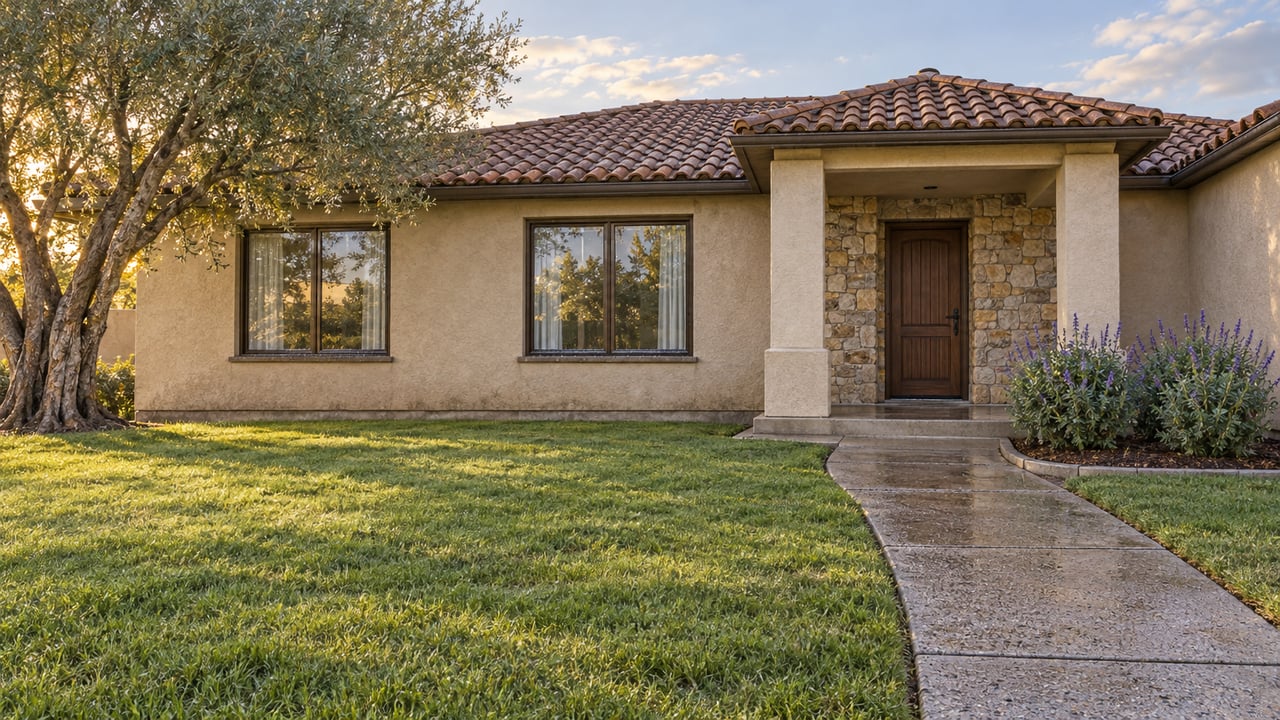
If you are studying Menifee, it helps to know what the market actually looks like on the ground. Menifee’s housing study says 87% of existing housing is single-family detached, and 98% of housing growth from 2012 to 2021 was also single-family detached.
That tells you a lot about product fit. Menifee is not mainly a multifamily story. It is a detached-home market first, and your strategy should reflect that.
Larger homes are common
The city’s housing study also says two-thirds of new single-family homes sold had four or more bedrooms. That suggests much of the newer inventory has been built for buyers looking for more space rather than smaller unit formats.
For an investor or relocation buyer, that can shape your expectations. You may find stronger alignment with long-term hold strategies tied to single-family homes than with a plan that depends on a broad supply of smaller multifamily options.
Multifamily options are limited
Menifee captured only 4.5% of new multifamily housing in the broader market area, according to the city’s housing study. The same study notes that multifamily development may be more financially feasible in gateway communities like Temecula and Murrieta.
In plain terms, Menifee may offer fewer true multifamily opportunities than some nearby submarkets. If your plan depends on that product type, you need to be selective and realistic.
The city is still building out
Another reason investors watch Menifee is the development pipeline. The city says more than $100 million in traffic-related construction is planned through the decade, and Menifee tracks residential, commercial, and industrial projects that are under construction or in review.
That does not guarantee any one investment outcome, but it does show continued public and private activity. For many buyers, visible infrastructure and development momentum support the idea that Menifee is still evolving rather than standing still.
Land use varies across Menifee
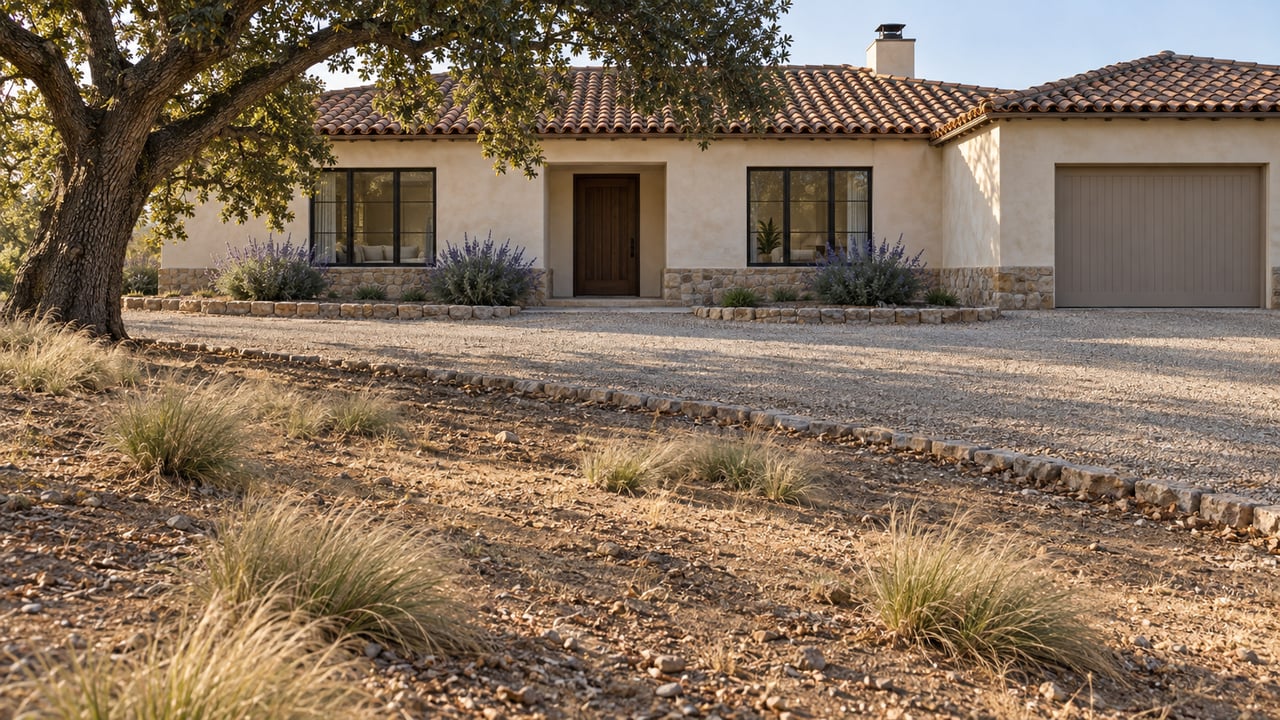
One of the biggest mistakes you can make is treating all of Menifee like one uniform market. The city’s land-use plan describes Menifee as a mix of rural, suburban, agrarian, industrial, senior, and newer planned communities.
It also notes that nonresidential uses cluster along the I-215 corridor, while neighborhoods north of Salt Creek are generally more traditional or master-planned single-family areas. South of Garbani Road, the context can shift again toward more rural edges. That means the same city name can cover very different property settings.
Submarket context matters
This is where local guidance becomes especially valuable. A corridor-adjacent property, a home in a newer planned neighborhood, and a property on a more rural edge may all have different demand patterns, use contexts, and long-term appeal.
If you are buying in Menifee, it helps to compare the parcel to its immediate surroundings instead of relying only on citywide averages. That extra step can protect you from making assumptions that do not match the property’s actual context.
Policy signals support housing variety
Menifee’s 2021-2029 Housing Element was adopted on November 16, 2022, and the California Department of Housing and Community Development found it compliant on April 5, 2023. The city also posts permit checklists for ADU, mixed-use, mobile home, and new single-family or custom home projects.
For buyers, that signals that multiple housing product types are part of the city’s current planning workflow. It does not mean every parcel supports every idea, but it does show an active planning environment with more than one housing format in play.
Carrying costs deserve close attention
This may be the most important point in the whole conversation. Menifee uses LLMDs, CSAs, and CFDs to fund services and infrastructure, and the city notes that California property tax bills can include voter-approved debt rates, parcel taxes, Mello-Roos taxes, and assessments.
That means two properties with similar sale prices can still have very different monthly carrying costs. In newer subdivisions especially, those line items can change the math more than buyers expect.
Underwrite parcel by parcel
Menifee is the kind of market where parcel-level due diligence matters. The first thing to verify is whether the property sits inside a CFD, LLMD, CSA, or similar district.
From there, you want to look at the full monthly picture, including taxes, assessments, HOA dues, insurance, and financing. A deal that looks attractive on headline price alone may feel very different once all carrying costs are included.
Why practical investors keep watching
Menifee attracts attention because it sits in a useful middle ground. It is more affordable than Temecula and Murrieta, it still shows active demand, and it has visible infrastructure and planning activity.
At the same time, it is not a market where broad assumptions work well. Detached homes dominate supply, multifamily options are limited, and location within the city can change the story quickly. That is exactly why practical investors keep paying attention.
What to check before you buy
If Menifee is on your list, focus on a few key questions before you move forward:
- Is the property inside a CFD, LLMD, CSA, or another special district?
- How do taxes, assessments, HOA dues, insurance, and financing affect the monthly carrying cost?
- Is the property in a detached-home tract, near the I-215 corridor, or in a more rural-edge setting?
- Does your strategy fit the product type, whether that means long-term hold, resale potential, or ADU considerations?
When you approach Menifee this way, you can make a more confident decision based on the actual property, not just the city name.
If you want help comparing Menifee opportunities with nearby markets like Temecula or Murrieta, Zachary Frausto can help you sort through the details and move forward with clarity.
FAQs
Why do investors look at Menifee real estate instead of Temecula or Murrieta?
- Menifee’s typical home value is lower than both Temecula and Murrieta, while the market still shows active demand and ongoing infrastructure and housing activity.
Is Menifee mainly a single-family home market?
- Yes. Menifee’s housing study says 87% of existing housing is single-family detached, and 98% of housing growth from 2012 to 2021 was single-family detached.
Are multifamily opportunities common in Menifee?
- Not as common as in some nearby submarkets. The city’s housing study says Menifee captured only 4.5% of new multifamily housing in the broader market area.
What should buyers verify about property taxes in Menifee?
- You should check whether a property is inside a CFD, LLMD, CSA, or another special district because those can affect property tax bills and monthly carrying costs.
Does location within Menifee matter when buying real estate?
- Yes. Menifee’s land-use plan shows that corridor areas, master-planned neighborhoods, and more rural-edge locations can have very different contexts, so property-level analysis matters.
Is Menifee a good fit for a long-term hold strategy?
- Many buyers view Menifee that way because it is more affordable than nearby cities, still active, and continuing to add infrastructure, but the right fit depends on the parcel, product type, and carrying costs.