Worried that the only way to win in Bonsall is to bid high and hope for the best? You are not alone. In a market where lot features, private systems, and pricing swings can matter just as much as the house itself, it is easy to confuse a competitive offer with an expensive mistake. The good news is that you can compete smartly by focusing on value, payment comfort, and the right due diligence. Let’s dive in.
Understand why Bonsall pricing feels tricky
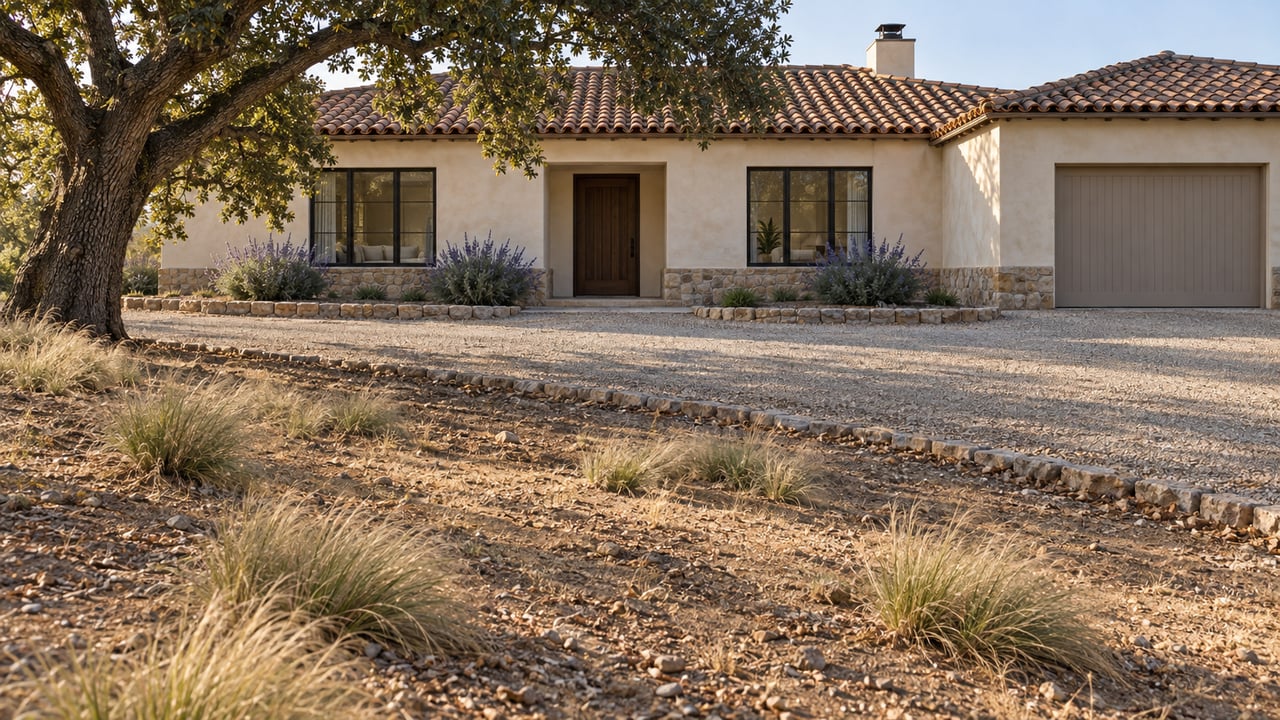
Bonsall is not a cookie-cutter tract market. It is a 32.8-square-mile unincorporated community in northern San Diego County with hills, valleys, low-density estate lots, agricultural land uses, golf courses, and equestrian facilities. That means two homes with similar square footage can carry very different value based on land, access, views, and utility setup.
That also helps explain why pricing signals can look inconsistent. Recent 2026 data shows a wide mix of market readings depending on the source, including median sale prices around $1.08 million to $1.11 million, a year-to-date detached median of $1.224 million through April, and a median listing price of $1.4 million in one May snapshot. In a smaller market like Bonsall, one month of data can be misleading, so you need to look deeper than headline numbers.
Start with your real payment comfort
The smartest offer begins with your monthly comfort level, not the top of your approval range. With Freddie Mac reporting an average 30-year fixed rate of 6.47% as of June 18, 2026, payment sensitivity remains high even if prices soften in some segments.
That matters because overpaying does not always look dramatic on paper at first. It often shows up as a monthly payment that feels tight, less room for repairs or upgrades, or pressure if the appraisal comes in low. A strong plan starts with a price point you can carry comfortably.
Set two numbers before shopping
Before you write an offer, it helps to define:
- Your ideal monthly payment
- Your true maximum monthly payment
- Your target purchase range
- Your absolute ceiling if the right property appears
This gives you a clear lane when emotions rise. In a unique market like Bonsall, that discipline can keep you from chasing a property past what makes financial sense.
Focus on sold comps, not just list prices
In Bonsall, active listings can tell you what sellers hope to get. Closed sales do a better job of showing what buyers have actually paid. That distinction matters even more in a market where listing and sale metrics can vary widely by source and property type.
Fannie Mae notes that appraisals are based on the home’s condition, characteristics, external factors like location and market trends, and recent sales of similar properties. So if a home is priced aggressively but the comparable sold properties do not support that number, you may be looking at a risky offer.
What “similar” really means in Bonsall
In many neighborhoods, buyers can compare homes by bedroom count, square footage, and upgrades. In Bonsall, that is only part of the picture. You also need to compare the land and how usable it actually is.
Look closely at factors like:
- Usable acreage versus steep or limited land
- Driveway access and approach
- Views and privacy
- Outbuildings or functional exterior improvements
- Water and wastewater setup
- Overall site utility and maintenance demands
A house with the same interior finish level can justify a very different price if the parcel works better in real life.
Know what can cause a low appraisal
A high offer does not guarantee a smooth closing. If the appraised value comes in below your contract price, the lender may not approve the full loan amount. According to Fannie Mae, that can force you to renegotiate, bring in more cash, request a reconsideration of value, or walk away depending on the contract terms.
This is one of the biggest reasons not to use list price as your only guide. In Bonsall, where parcel differences can be significant, an unsupported offer can leave you paying above market value or scrambling to close a gap.
Write offers with a valuation mindset
A competitive offer should still be grounded in reality. That means looking at what recently sold, how the lot compares, and whether the property has features that truly support a premium.
When you approach an offer this way, you are not just trying to win. You are trying to win with confidence.
Treat due diligence like part of your strategy
In Bonsall, due diligence is not a formality. It is part of how you avoid overpaying. Because many properties function more like semi-rural homes, what sits behind the listing photos can have a big impact on long-term cost and value.
San Diego County says septic systems are regulated countywide through the Department of Environmental Health and Quality, and septic records are available by parcel number for systems installed since the late 1970s. The County also has a water well permit process that requires a site map. That means you should verify private systems early instead of assuming sewer service or standard utility infrastructure.
Key Bonsall checks before removing contingencies
For many Bonsall purchases, these are some of the most important items to review:
- Septic records and system condition
- Water source, including whether the property has a well
- Driveway and site access
- Easements affecting the parcel
- Slope, grading, and drainage considerations
- The truly usable portion of the lot
- Natural hazard disclosures
These checks are especially important in a hill-and-valley area where lot function can vary widely from one property to the next.
Read hazard disclosures carefully
Wildfire review matters in Bonsall. The Office of the State Fire Marshal maintains fire hazard severity zone maps, and California law requires a Natural Hazard Disclosure Statement when a property falls within one or more mapped hazard areas. The California Department of Real Estate also identifies separate disclosure obligations that can apply to fire hazard zones, state responsibility areas, earthquake fault zones, and seismic hazard zones.
This does not mean every property is a bad risk. It means you should verify the specific parcel’s status and read the disclosure package carefully before removing contingencies. Smart buyers do not panic. They confirm the facts.
Be careful with contingency waivers
In a more competitive market, you may feel pressure to waive protections to make your offer stand out. That can be risky anywhere, but especially in Bonsall where inspections and property-specific records can reveal issues that are not obvious at first glance.
Fannie Mae notes that a home inspection can uncover safety concerns, illegal installations, and maintenance or structural issues. It also points out that a standard inspection does not cover everything, so specialist inspections may make sense when a property has private systems, unusual structures, or signs of broader risk.
A better way to stay competitive
Instead of stripping out every protection, aim for an offer that is clean, serious, and informed. In many cases, that means:
- Being fully pre-approved before touring aggressively
- Reviewing disclosures as early as possible
- Understanding which inspections may be needed
- Moving quickly on county record checks
- Keeping your terms strong without ignoring major risk
The goal is not to write the most reckless offer. The goal is to write the strongest offer you can still live with.
Use the market tempo to your advantage
Recent market data suggests Bonsall is not moving at one single speed. April 2026 detached-home data from SDAR showed 83 days on market and 5.4 months of supply, while another May snapshot showed 41 median days on market and described the market as balanced. Redfin called Bonsall somewhat competitive and reported a 63-day median.
What does that mean for you? It means some homes may attract quick attention while others sit longer, and you should not assume every listing requires an all-out bidding war. A well-informed strategy can create room to negotiate, especially when a property has been on the market longer or appears priced above recent comparable sales.
Work from property value, not pressure
The biggest mistake buyers make in niche markets is letting urgency replace analysis. In Bonsall, market price, land value, and property risk are closely tied together. If you ignore one of those, you may end up paying a premium for a home that looks great online but costs more to own than expected.
A better path is simple. Know your payment comfort, study recent sold comps, evaluate the lot as carefully as the house, and verify systems and hazard disclosures before making final decisions. That is how you stay competitive without overpaying.
If you want a clear game plan for buying in Bonsall, Zachary Frausto can help you compare properties, make sense of the details, and move forward with confidence.
FAQs
How competitive is the Bonsall real estate market right now?
- Recent 2026 data suggests Bonsall is mixed rather than uniformly hot, with some sources describing it as somewhat competitive and others calling it balanced.
Why is pricing in Bonsall harder to judge than in other areas?
- Bonsall has many estate-style and semi-rural properties, so value often depends on usable land, access, views, and private systems, not just the home’s interior features.
What should Bonsall buyers verify about septic systems?
- You should confirm whether the property uses a septic system and review available San Diego County records by parcel number before removing contingencies.
What should Bonsall buyers check about water service?
- You should verify whether the property has metered water or a well and review the relevant records and disclosures early in the process.
Can a Bonsall home appraise below the contract price?
- Yes. If the appraised value comes in low, the lender may reduce the approved loan amount, which can lead to renegotiation, a larger down payment, or another contract decision.
What natural hazard disclosures matter for Bonsall properties?
- Depending on the parcel, buyers may need to review disclosures related to fire hazard severity zones, state responsibility areas, earthquake fault zones, and seismic hazard zones.